How to Choose the Right Roofing Material for Your Home Apr 19, 2026
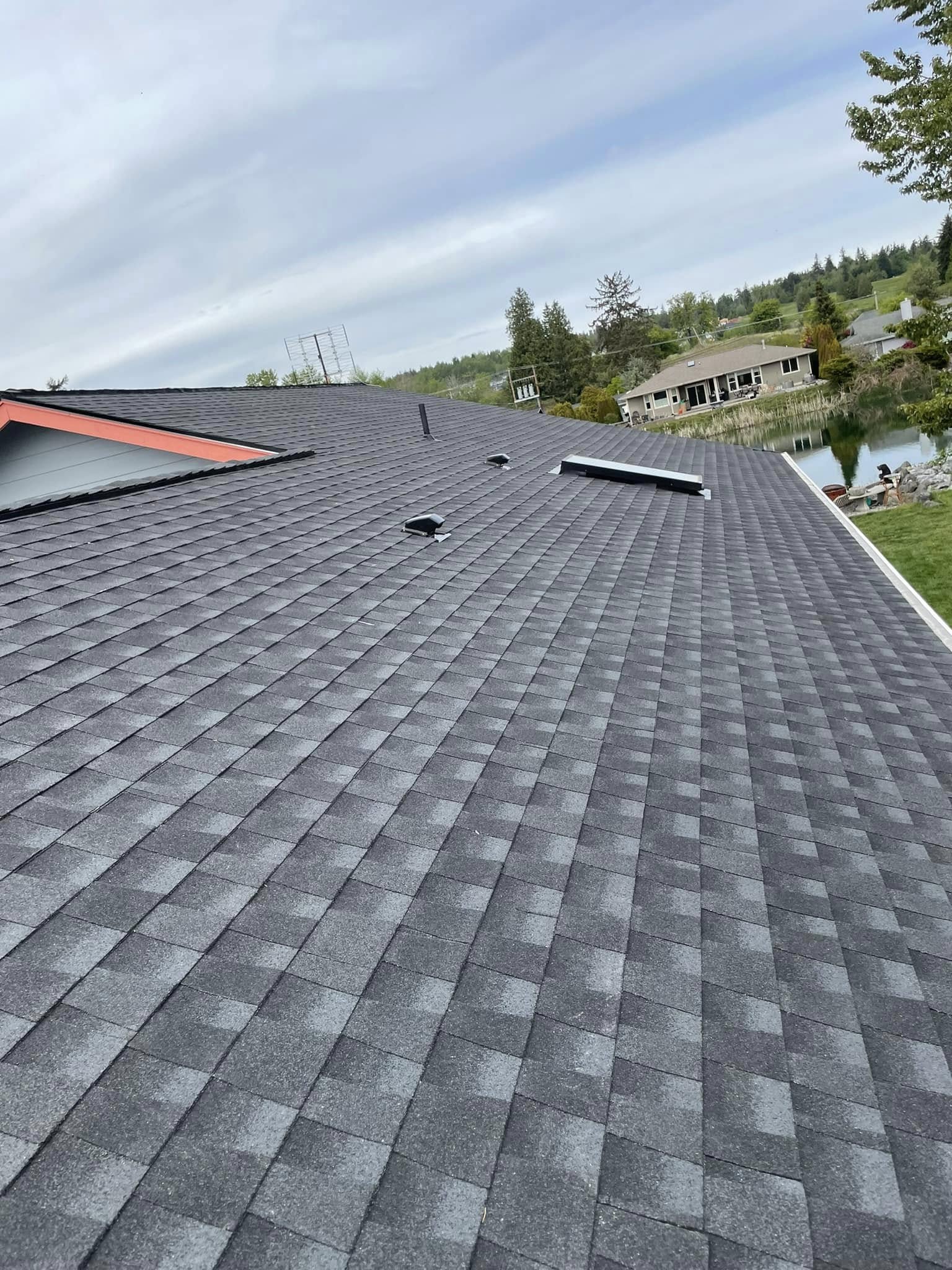
First, it’s important to assess the climate conditions of your location. Different materials perform better in specific weather conditions. For instance, asphalt shingles, a popular choice in many regions, offer durability and affordability but may not withstand extreme heat as well as other materials. In contrast, metal roofing can endure harsh weather, including heavy snow and high winds, making it suitable for areas with challenging climates. In regions prone to wildfires, clay or concrete tiles may offer additional fire resistance.
Next, consider the architectural style of your home. The roof is a significant visual component and should complement the overall design. For traditional homes, slate tiles might offer an elegant and timeless look, whereas contemporary designs may benefit from the sleek lines of metal roofing. When visualizing the final appearance of your home, ensure that the material’s color and texture harmonize with your exterior finish.
Cost is another crucial factor. Your budget will play a decisive role in material selection. Asphalt shingles are generally the most economical choice, balancing performance and affordability. On the other hand, materials such as slate or tiles may involve a larger upfront investment but offer exceptional lifespan and reduced maintenance needs over time. When calculating costs, factor in not just the price of the material, but also installation and long-term maintenance expenses.
Durability is of utmost importance, considering that roofing is meant to protect your home for decades. Materials like metal and clay tiles can last up to 50 years or more, whereas asphalt shingles may require replacement every 20 to 30 years. Evaluate the longevity and warranty of each option to ensure that you are making a sustainable choice.
Energy efficiency is increasingly becoming a priority for homeowners. Some roofing materials come with reflective coatings that can reduce your home's heating and cooling costs by deflecting solar heat. Metal roofing, in particular, is known for being an energy-efficient option which can save you money over the lifespan of your roof while minimizing your environmental impact.
Finally, consider maintenance requirements. Some roofing materials, like wood shakes, require regular upkeep to prevent rot and moss growth, while others like metal and synthetic products require minimal maintenance. Before making a decision, assess how much time and effort you are willing to invest in maintenance.
In conclusion, selecting the right roofing material involves a careful evaluation of various factors including climate, home style, budget, durability, energy efficiency, and maintenance needs. ATJ Roofing LLC is dedicated to helping you make the best choice for your home. By taking these considerations into account, you can ensure that your new roof will provide both aesthetic appeal and reliable protection for years to come. For personalized advice and professional installation, feel free to contact our team of experts at ATJ Roofing LLC. We’re here to help you every step of the way.